

Part 5 : The Wrath of Qareen Spirits of the Ancient Graveyard40Please respect copyright.PENANAEEcp9CCzMR
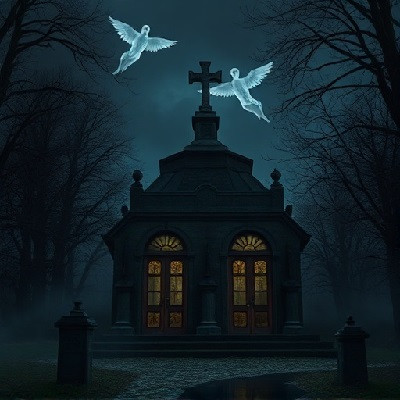
Located on the eastern edge of Karachi, the ancient Chaukhandi Tombs stands as one of Pakistan’s most fascinating and unsettling historical landmarks. Stretching across a dry, barren landscape, the graveyard’s golden sandstone tombs rise silently against the desert winds, resembling timeless guardians protecting secrets of a forgotten age. Dating back several centuries to the Mughal era, the necropolis serves as the burial site of tribal chiefs, warriors, nobles, and influential figures who once shaped the region’s history. While Chaukhandi is admired for its extraordinary architecture, it is equally feared for the chilling legends that surround it. Over generations, stories of paranormal activity have transformed the graveyard into one of Karachi’s most infamous haunted locations, where many believe the past still lingers among the stones.
In daylight, the cemetery reveals an undeniable beauty. Every tomb is carefully carved from sandstone and decorated with intricate geometric designs, floral engravings, and symbolic motifs representing bravery, honor, and spirituality. Certain graves bear carvings of weapons such as swords, shields, and bows, identifying the resting places of warriors, while others display mysterious abstract patterns whose meanings have faded with time. Wandering through the graveyard during the morning hours fills visitors with admiration for the craftsmanship of the artisans who created these monuments centuries ago. Yet even beneath the bright sun, an unusual stillness hangs over the area, as though the silence itself carries weight.
As sunset approaches, however, the atmosphere changes dramatically. The dying light stretches long shadows over the tombs, turning the elegant carvings into haunting silhouettes. The once-beautiful structures begin to appear distorted and ominous, while the silence of the desert grows heavier and more oppressive. Residents from nearby villages often warn outsiders against remaining there after dark, insisting that the graveyard no longer belongs to the living once night falls. According to local belief, restless spirits and unseen beings wander freely among the graves beneath the cover of darkness.
Numerous eerie tales have contributed to Chaukhandi’s fearful reputation. Visitors have reported hearing footsteps echoing across the stone pathways despite no one being nearby, as though invisible figures were moving just out of sight. Others claim to have witnessed shadowy apparitions standing motionless between the tombs before disappearing into the darkness. Among the most disturbing stories are those describing sorrowful cries carried by the wind—long, mournful wails that seem to drift through the graveyard like echoes from another world. Such accounts are usually shared quietly and cautiously, accompanied by nervous glances and uneasy expressions.
The people living around the graveyard regard the site with great respect and caution. Many avoid passing near it after sunset, even if it means taking a much longer route home. Some believe the area is inhabited by jinns, supernatural beings described in Islamic tradition as creatures made of smokeless fire that dwell in abandoned or desolate places. To these locals, Chaukhandi is more than a cemetery—it is territory occupied by unseen forces. Drivers traveling along the nearby highway at night have also recounted terrifying encounters. Several describe ghostly figures suddenly appearing in front of their vehicles, forcing them to brake abruptly, only for the apparitions to vanish moments later. Others speak of strange flickering lights moving among the tombs before disappearing without explanation.
Skeptics dismiss these stories as the result of imagination and atmosphere. They argue that the graveyard’s isolated setting, weathered structures, and eerie silence naturally create fear and tension, causing people to misinterpret ordinary sounds and shadows as supernatural events. The wind passing through cracks in the stone or distant animal cries can easily sound unsettling in such an environment. Even so, many visitors admit that standing among the tombs at night produces an overwhelming sense of unease. People often describe the air as feeling colder, heavier, and strangely oppressive, accompanied by the unsettling sensation of being silently watched.
The legends surrounding Chaukhandi have made it a destination not only for historians and tourists but also for thrill-seekers and paranormal enthusiasts. Urban explorers frequently visit the site hoping to experience its mysteries firsthand. Many arrive confident and skeptical, yet some leave deeply disturbed by what they claim to have seen or felt. Several visitors insist that the silence of the graveyard is not truly empty, but filled with whispers and unseen presences that can only be sensed rather than heard.
Even during the daytime, the graveyard possesses a strange duality. The breathtaking craftsmanship of the tombs inspires admiration, while the awareness of death and the unknown creates an underlying sense of discomfort. Every carved stone serves as a reminder of mortality, and every shadow seems to hint at something beyond explanation. It often feels as though the elaborate artistry was designed not only to honor the dead, but also to remind the living of the fragile boundary separating life from whatever may exist beyond it.
What makes the haunting legends of Chaukhandi especially compelling is how naturally they intertwine with the graveyard’s long history. Unlike sites associated with recent tragedy, this necropolis has stood for centuries as the resting place of countless individuals. The immense weight of history, combined with the solemn beauty of the tombs and the isolation of the surrounding desert, creates an atmosphere that easily sparks imagination and fear. For believers, however, the stories are more than folklore—they are evidence that the spirits of Chaukhandi continue to linger among the graves, their presence carried endlessly through the desert winds.
Whether viewed as supernatural truth or mere legend, Chaukhandi remains impossible to ignore. Its reputation for hauntings is inseparable from its artistic and historical significance. Walking through the graveyard feels like stepping into a world where history, myth, and fear coexist. For some, it is an architectural masterpiece and a priceless reminder of the past. For others, it is a place best avoided after sunset. Yet nearly everyone who visits agrees on one thing: Chaukhandi leaves a lasting impression, blending beauty and dread in a way few places can.
Today, Chaukhandi Tombs continues to exist as both a treasured historical site and a source of chilling fascination. Its silent tombs, ghostly legends, and enduring artistry combine to create an atmosphere unlike anywhere else in Pakistan. To some, it represents cultural heritage and architectural brilliance; to others, it stands as a warning wrapped in mystery. Regardless of belief, Chaukhandi remains far more than an ordinary graveyard—it is a living legend where history and haunting seem forever entwined.
Author’s Note: This chapter was edited with AI assistance for grammar, readability, and flow.
ns216.73.217.128da2

 and then Add to home screen.