-
info_outline Info
-
toc Table of Contents
-
share Share
-
format_color_text Display Settings
-
exposure_plus_1 Recommend
-
 Sponsor
-
report_problem Report
-
account_circle Login
 technoa5bar


Okay, real talk — I've been neck-deep in the AI tools space for a while now, and I mean deep. I've tried the ones that promise everything and deliver nothing, and I've found the ones that actually, genuinely changed how I work day to day. And in 2026, the gap between those two categories has never been wider. The best all-in-one AI creative platforms right now are doing things that would've sounded like science fiction two years ago. The bad ones are still just expensive distractions with a chatbot slapped on top.
So here's what this guide actually is: a real, no-fluff breakdown of 35 platforms covering everything from AI video generators to top AI writing assistants, design tools, SEO platforms, avatar creation, voice synthesis, and productivity apps. I'm going to tell you who each tool is actually for, what it costs, what it does well, and — critically — where it falls short. No sugarcoating. No affiliate-driven rankings.
Whether you're trying to scale content creation with AI, build a cost-effective AI marketing stack for your agency, or just figure out which all-in-one AI tools can replace multiple subscriptions — this is the guide. I've also added three platforms that weren't in the original list but honestly deserve to be here. More on those later.
One more thing before we dive in: I've organized this into clear categories so you can skip straight to what matters for your workflow. Let's get into it.
Why Everyone Is Suddenly Obsessed with All-in-One AI Platforms
Let me be honest for a second. A few years ago, the pitch was "use AI to save time." Now the pitch is "use AI or fall behind." And you know what? In 2026, that second version is getting uncomfortably close to the truth. The creators and agencies I see winning right now aren't necessarily more talented — they've just figured out how to scale content creation with AI without sacrificing quality or their sanity.
Think about what a modern content creator actually needs to produce in a given week. Long-form blog articles optimized for both Google and AI search engines like ChatGPT and Perplexity. Short-form videos for TikTok, Reels, and YouTube Shorts. Social media graphics. Email sequences. Maybe a podcast episode, product descriptions, an explainer video — it's a lot. If you're running all of that through five or six disconnected tools, you're spending more time managing your workflow than actually creating anything.
And here's something that's changed dramatically in 2026: it's no longer just about ranking on Google. SEO content automation now has to account for AI search visibility — getting cited by ChatGPT, Perplexity, and Google's AI Overviews. That's a whole new layer of optimization that most of the older AI writing tools simply weren't built to handle. The best platforms in 2026 are starting to bridge that gap.
What You Actually Get from an All-in-One AI Platform
Here's the core value proposition, and I'll keep it simple: instead of paying for Jasper for writing, Runway for video, Midjourney for images, ElevenLabs for voice, and Canva for design — some platforms bundle two or three of those together. Fewer logins, lower combined costs, and a content creation workflow that actually flows instead of constantly jerking to a stop every time you switch contexts.
The main benefits: Faster content production because AI handles the repetitive, time-consuming parts, and what used to eat a full day often takes two hours. Lower software costs — professionals piecing together individual AI subscriptions can easily hit $150–$300/month; a consolidated platform cuts that down meaningfully. Simpler workflow — you stay in one system, one interface, one mental model, which matters more than people realize. Better collaboration — most platforms for teams include shared workspaces and real-time feedback. And brand consistency — the better platforms now let you set brand voice, visual guidelines, and tone so everything your team produces stays on-brand automatically.
That said — and this is important — "all-in-one" is a spectrum. Some platforms genuinely cover multiple creative domains at a high level. Others slap an AI label on a template builder and call it a suite. I'll be clear about which is which as we go.
Best AI Platforms for Writing, Blogging & Marketing
Let's start here because, honestly, this is where most creators and marketers feel the most immediate pain. Writing takes time. SEO content automation sounds like a dream, and these tools get closer to making it real than anything that's come before. But there's a new dimension in 2026: your content needs to be good enough to get cited by AI search engines like ChatGPT and Perplexity — not just ranked on Google. Keep that in mind as you evaluate.
1. Jasper AI — Best for Brand-Consistent Marketing Content at Scale

If you've been in content marketing for more than five minutes, you've heard of Jasper. And look, there's a real reason it keeps coming up — it's genuinely one of the most refined AI writing assistants for marketing teams out there. Not because it does the most things, but because what it does, it does consistently well.
The thing that really sets Jasper apart — and I think this is underappreciated — is the Brand Voice feature. You feed it examples of your existing content, and it actually learns your tone. Not just "formal" or "casual" — your specific voice, your specific quirks. For agencies managing ten clients with ten different brand personalities, that's not a nice-to-have. That's a workflow essential. And when people argue about Jasper AI vs Writesonic for SEO, this is usually where Jasper pulls ahead: consistency at scale.
Beyond brand voice, you get pre-built workflow templates for blog posts, ad copy, product descriptions, email sequences, and landing pages. There's Jasper Chat for conversational back-and-forth, image generation baked in, and real-time collaboration tools. It's not cheap — starting at $39/month — but for a content team producing at volume, the math usually works out.
- Best for: Marketing agencies, content teams managing multiple brands, anyone who needs brand-consistent output at scale.
- Pricing: Creator plan $39/month (billed annually). Pro $59/month. Business: custom. 7-day free trial.
- Pros: The brand voice consistency is genuinely impressive and hard to replicate with generic AI tools. The template library covers pretty much every marketing format you'd need. Team collaboration features are solid for agency workflows. Pre-built SEO content workflows save real time for bloggers doing automated SEO blog writing at scale.
- Cons: It's not cheap, and there's no real low-cost entry point anymore. Technical or niche content often needs significant editing — the AI doesn't go very deep on specialized topics. Image generation is decent but nowhere near Midjourney-level. If you're a solo creator on a tight budget, there are more cost-effective options.
👉 Try Jasper AI free for 7 days and see if it fits your content workflow
2. Writesonic — Best Value for Solo Bloggers & SEO Specialists

Here's the thing about Writesonic — it's the answer I give when someone asks "what's a good Jasper alternative that doesn't cost as much?" And I mean that genuinely, not as a consolation prize. Writesonic is a legitimate AI content creation platform with some features that actually outperform Jasper in specific areas.
The standout is Chatsonic, its AI chatbot with real-time web search. I cannot overstate how useful this is for content that needs to be current. Most AI writing tools are stuck in their training data — Chatsonic goes and pulls live information. If you're writing about a fast-moving industry, trending topics, or anything where freshness matters, that's a genuinely meaningful advantage. And in the Jasper AI vs Writesonic for SEO debate, Writesonic usually wins on value-for-money, while Jasper wins on brand voice depth.
- Best for: Bloggers, SEO specialists, solo marketers who need quality content at an accessible price point.
- Pricing: Free plan available (limited). Individual from ~$20/month. Teams and Enterprise available.
- Pros: Real-time web search through Chatsonic is a genuine differentiator for current-events content. More affordable than Jasper with a real free plan. Good template variety across different content formats. Multi-model flexibility means you're not locked into one AI engine.
- Cons: Output consistency can be hit-or-miss on complex or technical topics — you'll edit more than with Jasper. Heavy users can burn through credit limits quickly. Brand voice features are less developed than Jasper's.
👉 Try Writesonic's free plan and see how much content you can produce
3. Copy.ai — Best for Marketing Automation & High-Volume Copy

Copy.ai has had an interesting evolution. It started as a straightforward copywriting tool — short-form stuff, ads, captions — and it was good at that. But it's pivoted hard toward AI workflow automation for digital agencies, which is a smart move. The idea now is less "generate one piece of content" and more "build an automated content pipeline that runs itself."
For marketing teams that need high volumes of consistent copy — think e-commerce brands with hundreds of product descriptions, or agencies running campaigns across multiple clients — that automation angle is genuinely compelling. The CRM integrations (HubSpot, Salesforce) make it particularly useful for sales teams doing personalized outreach. And the free plan is one of the more generous ones, which makes it a great option for solo creators exploring free AI content creation platforms.
- Best for: Marketing teams scaling copy production, e-commerce brands, sales teams who need personalized outreach automation.
- Pricing: Free plan. Starter ~$36/month. Advanced and Team plans available.
- Pros: Workflow automation for high-volume content production is genuinely useful. Strong CRM integrations make it practical for sales-driven teams. The free plan is actually usable, not just a teaser.
- Cons: Not ideal for long-form blog articles — it runs out of steam on anything requiring depth. Word count limit on the free plan will feel tight quickly. Interface redesigns have frustrated some returning users.
👉 Start automating your marketing content pipeline with Copy.ai — free to begin
4. Notion AI — Best for Knowledge Workers Already Using Notion

Notion AI is a different kind of tool from the others in this section, and it's important to be clear about that going in. It's not a content generation engine. It's not trying to compete with Jasper on volume. What it is: an AI writing assistant that lives inside your existing workspace, deeply integrated into your notes, docs, knowledge base, and project management system.
If you're already using Notion — and a lot of creators, teams, and agencies are — the AI layer genuinely adds value without adding friction. You can summarize long documents, generate drafts from bullet points, improve existing writing, extract action items from meeting notes, and ask questions across your own knowledge base. That "question your own docs" feature is quietly one of the most powerful things in the tool.
- Best for: Knowledge workers, writers who use Notion as their workspace, teams wanting AI inside their existing system without adding another app.
- Pricing: Add-on at $10/member/month on any Notion plan, or bundled into some annual plans.
- Pros: Seamlessly embedded — no new app, no new login, no context switching. Excellent at processing and summarizing documents and your own knowledge base.
- Cons: You need a Notion subscription — it's not standalone. Not built for high-volume content production or SEO-focused writing at scale.
👉 Add AI to your Notion workspace and work smarter with what you already have
5. Genspark — Best for Factually Grounded, Research-Backed Content
Genspark is one of the more interesting tools in this category because it's attacking a real problem that most AI writing tools don't fully solve: the research phase. You know how long it takes to actually research a topic properly before writing? Genspark compresses that dramatically by pulling real-time information from across the web and turning it into structured content — not just generating from training data.
The result is content that tends to be more factually grounded than what you get from pure generative tools, which matters if you're writing about anything technical, fast-changing, or where accuracy genuinely counts. For creators doing AI tools for fast content repurposing and technical writing, this research-first approach reduces the hallucination problem that makes other AI tools risky for factual content.
- Best for: Technical writers, researchers, content creators who need factually grounded material fast.
- Pricing: Free tier available. Pro plans from ~$10/month.
- Pros: Real-time research baked into the generation process meaningfully reduces fact-checking time. Grounding content in live data reduces the hallucination risk. Solid for technical, data-heavy, or research-backed content.
- Cons: Fewer integrations than established players. Less effective for highly creative or brand-specific writing. Writing style tends toward neutral and often needs a polish pass to feel human.
👉 Speed up your research and content creation with Genspark
6. Surfer SEO — Best for Content Optimization & AI Search Visibility ⭐ New Addition
I'm adding this one because, honestly, it deserves to be in any serious 2026 list. Surfer SEO started as a real-time content optimization tool, and in that role it's still exceptional. The Content Score feature analyzes the top 50 ranking pages for your target keyword and tells you exactly what to include: word count, keyword density, heading structure, NLP terms. As you write, the score updates live. It's like having an SEO expert looking over your shoulder.
But what makes it a 2026 must-watch is the AI Tracker feature added in mid-2025. This tracks how and when your brand appears in AI-generated answers from ChatGPT, Google AI Overviews, Perplexity, and AI Mode. In 2026, getting cited by AI search engines is as important as ranking on Google's blue links. SEO content automation now means optimizing for both, and Surfer is one of the few tools that bridges them.
- Best for: SEO specialists, content teams, agencies who need data-backed content optimization for both traditional and AI search.
- Pricing: Essential $99/month. Scale $219/month. AI Tracker add-on $95/month. 7-day money-back guarantee.
- Pros: Real-time Content Score with 0.28 correlation to Google rankings — stronger than backlinks. AI Tracker bridges traditional SEO and GEO. Integrates with Google Docs and WordPress.
- Cons: Starts at $99/month — meaningfully more expensive than the writing tools in this section. The AI Tracker is a paid add-on. No traditional free plan.
👉 Optimize your content for both Google and AI search with Surfer SEO
7. BrandWell — Best for SEO Agencies Scaling Long-Form Content ⭐ New Addition
BrandWell (formerly Content at Scale) is a tool I want to call out specifically because it does something that genuinely impressed me: the content it generates tends to pass AI detection tests. We're talking 70%+ human-written scores on AI detectors consistently. For SEO agencies that rely on content not being flagged by Google's helpful content system, it's actually a meaningful practical advantage.
The platform combines research, writing, SEO optimization, and internal linking in one pipeline. You put in a keyword, and it runs through multiple specialized agents that handle different parts of the process — one for research, one for structure, one for optimization — and produces a finished long-form article. For agencies managing content at serious scale, the "Autopilot" mode can generate and publish up to one article per day automatically.
- Best for: SEO agencies, content marketing teams doing high-volume long-form article production.
- Pricing: Starts at $249/month. No free plan.
- Pros: Generates content that consistently passes AI detectors. Full pipeline from keyword to published article. Internal linking automation saves significant editorial time.
- Cons: Expensive at $249/month — this is an agency tool, not a solo creator tool. No free plan or meaningful trial period.
👉 Scale long-form SEO content that actually passes AI detection with BrandWell
Part 2: Best AI Video Generators and Video Editing Platforms
This is the category that's moving fastest in 2026, and I mean that — the gap between what was possible eighteen months ago and what's possible now is staggering. The best AI video generators for social media marketers are producing content that would have cost real money and real time to shoot traditionally.
8. Runway AI — Best for Professional-Grade Video Production

Let's talk about Runway, because this is the tool that professionals in the video space keep coming back to — and there are real reasons why. Backed by Google, Nvidia, and Salesforce, with partnerships with major film studios including Lionsgate, Runway has positioned itself as the professional standard for generative AI workflow in video production.
The Gen-4 model introduced character consistency across scenes — if you've tried to build any kind of narrative with AI video before, you know how maddening it is when your character looks completely different from one shot to the next. Gen-4 addresses that. The Aleph editing system lets you modify generated videos using text prompts — add rain, change the lighting, adjust the background — without regenerating the whole clip.
- Best for: Professional video creators, filmmakers, creative directors, anyone who needs the highest quality output.
- Pricing: Free (very limited). Standard ~$15/month. Pro ~$35/month. Unlimited ~$95/month.
- Pros: Gen-4 character consistency is a genuine breakthrough for narrative video. Aleph post-generation editing makes refinement practical without starting over. Professional-grade output trusted by major studios.
- Cons: The credit system gets expensive fast for high-volume users. The learning curve is steeper than most — this is not plug-and-play. Generation times slow during peak usage hours.
👉 Try Runway AI and see why professional video creators trust it for serious work
9. Sora (OpenAI) — Best for Motion Realism & Ease of Use
Sora is, I think, the most talked-about AI video tool in 2026 — and for once, the hype is mostly justified. OpenAI's text-to-video model produces motion realism and physics simulation that genuinely stands out. Things move the way they're supposed to move. Water behaves like water.
Sora 2 adds some things that are genuinely unique: synchronized dialogue, sound effects, and a "cameos" feature that can insert real people into AI-generated scenes. No major competitor has that combination. Natural language prompts work surprisingly well without needing complex parameters — which means the barrier to decent output is much lower than Runway.
- Best for: Creative professionals, filmmakers, concept artists, anyone already on ChatGPT Plus.
- Pricing: Included with ChatGPT Plus ($20/month). Sora 2 Pro requires ChatGPT Pro ($200/month).
- Pros: Best-in-class motion realism among text-to-video AI models. The "Cameos" feature for inserting real people is unique. Very low learning curve.
- Cons: Sora 2 Pro is locked behind the $200/month ChatGPT Pro plan. Still rolling out by invite in many regions. Less fine-grained creative control than Runway.
👉 Generate cinematic AI video with Sora from OpenAI
10. InVideo AI — Best for YouTube Creators & Script-to-Video Automation
InVideo AI is the tool I recommend most often to creators who want to reduce content creation costs with AI in the video department without needing to become a video editor. The workflow is as simple as it gets: type a prompt or paste a script, and InVideo builds the video — visuals, subtitles, voice narration — from scratch. No timeline editing, no asset sourcing, no voiceover recording required.
For YouTube creators running educational or informational channels, this is genuinely transformative. You can go from idea to publishable video in a fraction of the time. It's also one of the better tools for best AI tools for YouTube shorts automation — you specify short-form format and it handles the pacing automatically.
- Best for: YouTube creators, educators, social media marketers, anyone who needs consistent video output without editing expertise.
- Pricing: Free plan (with watermark). Plus $25/month. Max $60/month.
- Pros: The full script-to-video pipeline is genuinely impressive for the price. Multi-language narration for global audiences. Great for automated content creation workflows.
- Cons: AI-selected visuals don't always match the script — review pass needed. The watermark on the free plan is prominent. Less creative control than traditional editing tools.
👉 Make professional YouTube videos from just a script with InVideo AI
11. Pictory — Best for Repurposing Blog Content as Video

Here's a tool that does one thing really well: it takes written content and turns it into video. You've got a 2,000-word blog post? Pictory reads it, identifies key points, grabs relevant stock footage, adds captions and background music, and produces a shareable video summary. That's AI tools for fast content repurposing in a very literal sense.
- Best for: Bloggers, content marketers, anyone with existing written content they want to repurpose as video.
- Pricing: Starter $19/month. Professional $39/month. Teams $99/month.
- Pros: Blog-to-video conversion is genuinely fast and requires almost no manual work. Auto-captions improve both accessibility and engagement. Brand kit integration keeps visuals consistent.
- Cons: Not built for original video creation — this is a repurposing tool. Creative control over visual style is limited. Stock footage selection can feel generic.
👉 Turn your blog posts into engaging videos instantly with Pictory
12. CapCut AI — Best Free Tool for Short-Form Video Creators
CapCut has become one of the dominant AI video editing tools for social media creators, and its trajectory has been remarkably fast. Originally TikTok-adjacent (owned by ByteDance), it's expanded to serve creators across Instagram Reels, YouTube Shorts, and general short-form content. The free tier is genuinely one of the most capable free video editing tools available — not "free with massive limitations," just actually useful.
- Best for: TikTok, Instagram Reels, and YouTube Shorts creators. Short-form editors who want smart automation without paying much.
- Pricing: Free tier is very capable. Pro $9.99/month or $89.99/year.
- Pros: The free tier is genuinely capable — not a hobbled teaser. Auto-captions and smart cut save real editing time. Massive template library optimized for current trends.
- Cons: ByteDance ownership raises legitimate data privacy concerns for business use. Less suitable for longer-form or complex video formats. Desktop version is less polished than the mobile app.
👉 Speed up your short-form video editing with CapCut AI — free to start
13. Descript — Best for Podcasters & Talking-Head Video Editors
Descript is one of those tools that sounds weird until you try it — and then you can't imagine going back. The core idea: you edit your video or podcast by editing the transcript. Delete a sentence from the text — it's gone from the audio and video. It's that straightforward. For podcasters and talking-head video creators, this changes everything about how fast you can work.
- Best for: Podcasters, talking-head video creators, anyone who does a lot of interview or conversational content.
- Pricing: Free plan. Creator $24/month. Pro $40/month.
- Pros: Text-based editing is transformative for talking-head content. Voice cloning via Overdub makes fixing recording mistakes practical. One-click filler word removal alone is worth the subscription.
- Cons: Not designed for cinematic or heavily visual video production. Voice cloning accuracy varies for non-native English speakers. Takes adjustment to get comfortable with text-based editing.
👉 Try Descript and edit your next video as easily as a Google Doc
14. Opus Clip AI — Best for Repurposing Long Videos into Viral Shorts

Here's the problem Opus Clip solves: you record a 45-minute YouTube video or a podcast episode, and getting short clips out of it for TikTok and Instagram is its own separate job. Opus Clip takes your long video, analyzes it with AI, identifies the most engaging moments, and automatically cuts them into short-form clips complete with auto-captions and reformatted layout for vertical video.
- Best for: YouTube creators, podcasters, anyone who wants to extend long-form content reach through short-form clips automatically.
- Pricing: Starter ~$15/month. Pro ~$29/month.
- Pros: Turns one recording session into a week's worth of short-form content with minimal manual work. Virality scoring helps prioritize which clips to post. Good auto-caption quality.
- Cons: AI clip selection isn't always accurate — review outputs before auto-publishing. Some clips can feel cut off without enough context to stand alone.
👉 Turn long videos into viral short clips automatically with Opus Clip
15. Kling AI — Best Budget Alternative to Runway for Cinematic Video
Kling AI is the one I'm telling people to keep an eye on in 2026. Developed by Kuaishou Technology, it's a direct competitor to Runway and Sora in the cinematic AI video space — and it's competing on quality, not just price. The physics-aware motion in Kling's outputs has impressed a lot of professional video creators who tried it expecting a budget alternative and found something closer to a genuine contender.
- Best for: Video creators looking for a Runway alternative, filmmakers on tighter budgets, early adopters who want competitive technology at lower cost.
- Pricing: Free tier available. Paid plans from ~$8/month.
- Pros: High-quality cinematic output that genuinely competes with Runway in many scenarios. Supports longer clip generation than most competitors. Very affordable pricing.
- Cons: Newer platform with less documentation and community support. Feature set is still maturing. Interface is less polished than Western competitors.
👉 Generate cinematic, realistic AI video with Kling AI
16. Pika Labs — Best for Accessible AI Video Animation

Pika Labs is one of the more accessible AI video animation tools for creators who want to experiment without a steep learning curve or price tag. You put in a text prompt or upload an image, and Pika produces an animated video clip. It doesn't hit Runway or Sora quality levels, but for concept videos, social media content, and artistic experimentation, it's a solid, fast option with good style variety — cinematic, anime, cartoon, or photorealistic.
- Best for: Creative directors experimenting with AI video, digital artists, social media marketers who need animated content without professional production budgets.
- Pricing: Free (with watermark). Basic $8/month. Standard $28/month. Pro $58/month.
- Pros: Very accessible entry point — good for experimentation. Good style variety for different creative aesthetics. Affordable paid tiers. Faster generation times.
- Cons: Output quality is lower than Runway or Sora for complex, realistic scenes. Shorter clip lengths limit storytelling options. Prominent watermark on free plan.
👉 Bring your creative concepts to life with Pika Labs AI video
17. Kaiber AI — Best for Music-Synchronized AI Video

Kaiber is a niche tool — and I want to be upfront about that. It's purpose-built for music-reactive visual content: AI-generated video that pulses and flows with audio in ways that feel designed rather than generated. Musicians, visual artists, and music video directors are its core audience. Outside of that context, it's probably not what you need. But for that specific use case, it's pretty much unmatched.
- Best for: Musicians, visual artists, music video creators, anyone who needs AI-generated visuals synchronized with audio.
- Pricing: Explorer plan free (limited). Pro $15/month. Artist $30/month.
- Pros: Music-reactive video generation is unique — no major competitor does this as well. Distinctive artistic aesthetic. Decent free tier.
- Cons: Very niche — if your content doesn't involve music, there's nothing here. Output quality varies significantly depending on art style.
👉 Create dynamic, music-synchronized AI video content with Kaiber AI
Part 3: Best AI Design & Image Generation Tools for Creators
Design is one of the areas where AI has had the most visible impact, and the tools in this category range from true all-in-one platforms to highly specialized generators. If you're looking for best Midjourney alternatives for designers, or trying to build a cost-effective AI marketing stack for visual content, this section covers your options.
18. Canva AI — Best All-in-One Visual Platform for Non-Designers

Canva has earned its position as the default design tool for non-designers, and the AI layer it's added over the last couple of years has only strengthened that position. Magic Design generates complete designs from a photo or prompt. The AI photo editor and background remover work reliably. The presentation generator builds slides from a text outline. What makes Canva genuinely different from pure AI image generators is that it's a full design environment, not just a generation tool.
- Best for: Non-designers, marketers, social media managers, small business owners, teams who need a wide variety of visual content.
- Pricing: Free plan (very capable). Pro $15/month or $120/year. Teams ~$10/user/month.
- Pros: Genuinely all-in-one for most everyday creative needs — design, video, presentations in one place. Lowest learning curve of any design tool. Free tier that's actually useful.
- Cons: Not a replacement for professional design software for complex work. The Pro plan price increase was significant. AI image generation doesn't touch Midjourney quality for high-end visual work.
👉 Try Canva AI free and simplify your entire visual content workflow
19. Midjourney — Best for Raw Image Quality & Artistic Output
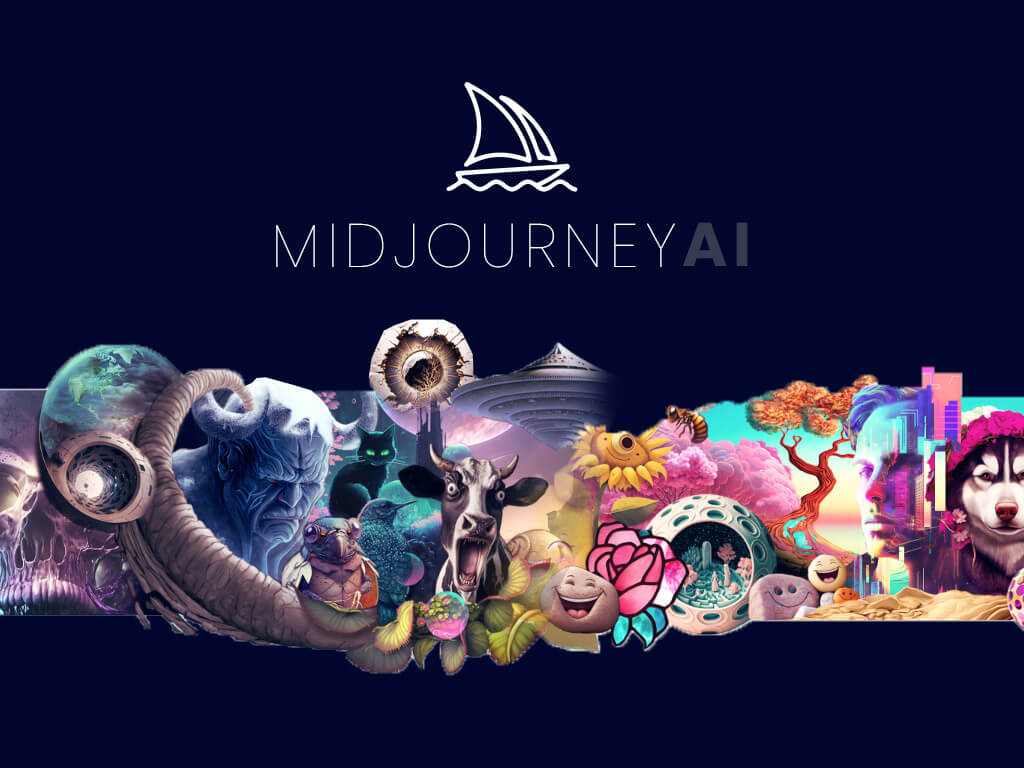
Let's be real: if image quality is your primary concern, Midjourney is still the standard. The outputs — whether photorealistic portraits, architectural concepts, fantasy landscapes, or editorial illustrations — have a polish and intentional aesthetic that competitors still struggle to consistently match. Designers, concept artists, game developers, and marketing teams who need visuals that look designed, not just generated, keep coming back to it.
- Best for: Designers, concept artists, marketing teams who need high-quality visual assets, game developers, anyone who needs the best image output available.
- Pricing: Basic $10/month. Standard $30/month. Pro $60/month. Mega $120/month. No free plan.
- Pros: Best-in-class image quality — outputs feel designed with artistic intention. IP-cleared training data means commercially safer outputs. Stealth Mode on Pro+ keeps client work private.
- Cons: No free plan — commit to paid from day one. Discord interface is functional but confusing for new users. Images are public by default without Stealth Mode.
👉 Generate professional-quality images that actually look designed with Midjourney
20. Adobe Firefly — Best for Professional Adobe Users & Commercial Safety

Adobe Firefly isn't really a standalone tool — it's the AI engine that lives inside Creative Cloud. If you're already working in Photoshop, Illustrator, or Premiere Pro, you've probably encountered it without necessarily thinking of it as a separate product. Generative Fill in Photoshop is probably the best real-world example: you select an area, describe what you want, and the AI fills it in believably.
The big selling point beyond convenience is the commercial safety angle. Adobe trained Firefly on licensed content, which makes it one of the more defensible choices from a copyright perspective for professional designers doing client work.
- Best for: Professional designers already in the Adobe Creative Cloud ecosystem.
- Pricing: Included in Creative Cloud subscriptions. Standalone Firefly plan from ~$4.99/month.
- Pros: Embedded directly in tools designers already use. Commercially safer outputs. No new apps to learn — extends existing workflow.
- Cons: Requires a Creative Cloud subscription. Raw image generation quality lags behind Midjourney. Credit system runs out quickly for heavy users.
👉 Unlock AI superpowers inside Adobe Creative Cloud with Firefly
21. Freepik AI — Best for Combining Stock Assets with Multi-Model AI Generation
Freepik has done something interesting here: it's taken its massive stock library — 200+ million photos, vectors, and templates — and built a full AI creative suite around it. You're not just generating images from scratch; you're working in an environment where AI generation and curated stock exist in the same workspace. The range is broader than most people realize: 30+ image generation models (including Flux, DALL-E, and Stable Diffusion variants), video creation, AI audio tools covering voice generation, music, and sound effects.
- Best for: Designers and content creators who need both high-quality stock assets and AI generation tools without maintaining separate subscriptions.
- Pricing: Free plan. Premium+ with credits from ~$12/month. Pro plan with unlimited generation on supported models.
- Pros: Combination of massive stock library and multi-model AI generation is genuinely unique. Multi-model access lets you pick the best AI for each task. Very cost-effective for creators paying separately for stock and AI generation.
- Cons: The credit system is confusing to navigate. Individual AI models don't outperform dedicated tools like Midjourney for pure image quality. Interface can feel overwhelming.
👉 Get both stock assets and AI generation tools in one place with Freepik
22. Ideogram AI — Best for AI Images with Readable, Accurate Text

Ideogram fixes a problem that has frustrated designers using AI tools for years: the inability to generate images with readable text. You know the issue — you try to put a headline or brand name in a generated image and it comes out as garbled nonsense that vaguely resembles letters. Ideogram is specifically built to handle this, and it does it well.
- Best for: Designers creating posters, ads, banners, logos, and any visual content where text legibility is critical.
- Pricing: Free tier. Basic $8/month. Plus $20/month.
- Pros: Best-in-class text legibility in AI-generated images. Excellent for marketing graphics, posters, and branded content. Generous free tier.
- Cons: Less suited for highly photorealistic or cinematic imagery. Fewer style controls than Midjourney. Community gallery makes free-tier outputs public by default.
👉 Generate AI images with readable, accurate text using Ideogram AI
23. Recraft AI — Best for Vector Graphics & Brand Identity Systems

Recraft answers a question designers often have about AI image tools: "but can I get consistent visual style and vector output?" Most AI generators produce raster images with variable style from generation to generation. Recraft specifically addresses brand design work — it can generate vector graphics (editable SVG output), maintain consistent visual style across a set of assets, and produce icon sets that actually look like they belong together.
- Best for: Brand designers, illustrators, anyone building visual identity systems that need to look cohesive.
- Pricing: Free tier. Pro $25/month.
- Pros: Vector output (editable SVG) is genuinely unique. Style consistency features are excellent for brand design. Good free tier.
- Cons: Less versatile for photorealistic or cinematic imagery. Smaller user community. Setting up style training requires some upfront work.
👉 Design consistent vector graphics and brand assets with Recraft AI
24. Picsart AI — Best for Mobile-First Social Media Creators

Picsart AI is the tool for social media creators who work primarily on mobile and need a solid combination of photo editing and AI tools in a single app. It blends traditional photo editing — filters, adjustments, collage — with AI features like background removal, AI art generation, and smart enhancement. It's not trying to compete with Midjourney on image quality or Canva on desktop design capability. It's trying to be the best creative app on your phone.
Best for: Mobile-first social media creators, Instagram and TikTok content producers who edit on the go.
Pricing: Free plan. Plus ~$5/month. Gold ~$13/month.
Pros: Mobile-first design makes it genuinely practical. Solid combination of photo editing and AI tools. Affordable pricing.
Cons: Less powerful than desktop-first alternatives. AI generation quality isn't competitive with dedicated generators. Free experience has enough ads to be annoying.
👉 Create stunning social media graphics on the go with Picsart AI
25. ImagineArt — Best for Digital Artists & Game Concept Design

ImagineArt is an AI image generator with a focus on digital art, character design, and illustration styles — particularly popular with the game development and digital art communities. It offers multiple AI models, good style control, and reference image input for directing the aesthetic. An accessible option that lands between the free experimental tools and professional-grade platforms like Midjourney.
- Best for: Digital artists, game designers, illustrators who want AI assistance with character and concept art.
- Pricing: Free plan. Paid plans from ~$9/month.
- Pros: Good variety of art styles for digital artists and game designers. Accessible free tier. Affordable paid plans. Reference image input helps direct style.
- Cons: Image quality doesn't consistently reach Midjourney's level. Smaller community means fewer resources. Style consistency across a project can be hit-or-miss.
👉 Start creating AI artwork and character designs with ImagineArt
26. Luma AI — Best for 3D Content Generation

Luma AI is genuinely different from everything else in this design section — it's focused on 3D content generation, which most AI creative tools don't touch. The NeRF (Neural Radiance Field) technology it uses can capture real-world objects and scenes in 3D from standard video footage, which is remarkable for product visualization, game asset creation, and architectural work.
- Best for: Game developers, product designers, architects, anyone who works with 3D assets and needs AI to accelerate that process.
- Pricing: Free plan. Pro from ~$14.99/month.
- Pros: 3D generation and capture is a capability most AI platforms don't offer. NeRF-based capture produces realistic 3D assets from standard video. Integration with popular 3D software and game engines.
- Cons: Very niche use case. Processing times can be slow for complex scenes. Not a beginner-friendly tool.
👉 Generate and capture stunning 3D environments with Luma AI
27. Desygner AI — Best for Brand Consistency Across Distributed Teams

Desygner AI is specifically aimed at businesses and marketing teams that need brand design consistency across a distributed team. The value proposition isn't maximum creative freedom — it's control. Brand elements can be locked so non-designers can't accidentally go off-brand. For organizations where brand consistency across dozens of people creating content is the actual problem, Desygner's approach makes a lot of sense.
- Best for: Marketing teams, franchise businesses, organizations where brand consistency across a distributed team is the primary concern.
- Pricing: Free plan. Business plans from ~$9.95/month.
- Pros: Strong brand control features. Affordable entry pricing. Good for keeping distributed teams on-brand without a designer reviewing everything.
- Cons: Less versatile for creative, open-ended design work. Template library is smaller than Canva's. AI features are less developed than most competitors.
👉 Keep your team on-brand automatically with Desygner AI
Part 4: Best AI Platforms for Avatar Videos, Voice & Presentations
This category is where businesses and educators are saving real money compared to traditional production. AI avatars delivering training videos, AI voice synthesis replacing voiceover recording sessions, AI presentations built in minutes — the tools here are mature enough to be genuinely production-ready in 2026.
28. Synthesia — Best for Corporate AI Avatar Video in Multiple Languages

Synthesia is the platform that really proved AI avatar videos could be production-ready, not just demos. You type a script, pick an AI avatar, and get a professional-looking video with a realistic digital presenter speaking your words in the language of your choice — without a camera, a studio, or an actor. The 140+ language support is what makes it particularly valuable at global scale.
- Best for: Businesses, corporate L&D teams, educators, anyone who needs professional video content in multiple languages without traditional production costs.
- Pricing: Starter $29/month (120 video minutes). Creator $89/month. Enterprise: custom.
- Pros: 140+ languages is genuinely best-in-class for multilingual content production. Dramatically cheaper and faster than traditional video production. Custom avatar creation maintains personal brand consistency.
- Cons: Even the most realistic AI avatars still have subtle "uncanny valley" moments. Creative customization is limited. Starter plan's 120 video minutes runs out faster than expected.
👉 Create professional AI avatar training videos with Synthesia
29. HeyGen — Best for AI Video Translation with Accurate Lip-Sync

HeyGen competes directly with Synthesia but has carved out a differentiated position. The video translation feature is particularly strong — it can take an existing video in one language and produce a version with accurate lip-sync in another language. For businesses running global marketing campaigns, that capability alone can justify the subscription.
- Best for: Marketing teams running global campaigns, sales teams doing personalized video outreach, businesses needing video translation with accurate lip-sync.
- Pricing: Free (limited). Creator $29/month. Business $89/month. Enterprise: custom.
- Pros: Video translation with accurate lip-sync is a standout capability. Instant Avatar is excellent for personalized video outreach. Free plan lets you genuinely evaluate the tool.
- Cons: Avatar realism still trails live-action video. API access requires higher-tier plans. Render times can be slow for longer videos.
👉 Create and translate marketing avatar videos at scale with HeyGen
30. ElevenLabs — Best AI Voice Synthesis & Voice Cloning Platform

ElevenLabs is the tool that changed what most people thought was possible with AI voice synthesis. The voices it produces are genuinely difficult to distinguish from real human speech — not just "pretty good for AI," but actually close to indistinguishable in many cases. Natural intonation, appropriate pacing, emotional range — it's all there.
The AI voice cloning software capability is remarkable: upload a short sample of your voice and get a realistic AI replica you can use to narrate content without recording every session. YouTubers use this to maintain a consistent narrator voice. Podcasters use it to fix mistakes without re-recording. The 32+ language support with genuinely natural-sounding accents is also hard to match.
- Best for: YouTube creators, podcasters, authors, app developers, anyone who needs realistic AI voiceovers or narration at scale.
- Pricing: Free (very limited). Starter $5/month. Creator $22/month. Pro $99/month.
- Pros: The most realistic AI text-to-speech generator in the market. Voice cloning is powerful for maintaining consistent narrator identity. 32+ languages with natural-sounding results.
- Cons: Free plan character limit is genuinely too low for meaningful evaluation. Voice cloning raises legitimate ethical questions about consent. Pro plan at $99/month is expensive for solo creators.
👉 Add hyper-realistic AI voiceovers to your content with ElevenLabs
31. Tome AI — Best for Narrative-Driven Presentations

Tome AI takes the "what if AI could build the whole presentation" approach and executes it well. You describe your audience, your goal, and your topic — and Tome generates a complete narrative presentation with imagery, copy, and structure. For startup pitch decks, client proposals, and investor presentations, the storytelling-first approach often produces decks that communicate more effectively than slide-first tools. The dynamic content embedding and viewer analytics are features traditional presentation tools still don't have.
- Best for: Startup founders, consultants, anyone who needs narrative-driven presentations built quickly.
- Pricing: Free plan. Pro $16/month. Enterprise: custom.
- Pros: Builds complete, well-structured presentations from a prompt. Storytelling-first approach often produces more coherent narrative structure. Viewer analytics are genuinely useful.
- Cons: Less granular design control than PowerPoint or Google Slides. Interactive format isn't compatible with all presentation contexts. Generated content still needs a human review pass.
👉 Build narrative-driven AI presentations in minutes with Tome AI
32. Gamma.app — Best for Polished Business Presentations Fast

Gamma is Tome's closest competitor and in some ways the more polished choice for everyday business use. The visual design quality it produces out of the box is consistently high — presentations look professional without requiring any design skill. Import from Google Docs, Notion, or Word, and Gamma turns your existing content into a properly designed deck. It's become a go-to in startup and business circles as a faster, more modern alternative to PowerPoint.
- Best for: Business professionals, startup teams, anyone who needs consistently well-designed presentations without design expertise.
- Pricing: Free plan. Plus $10/month. Pro $20/month.
- Pros: High visual design quality from the AI. Import from Google Docs, Notion, and Word reduces manual work dramatically. Web-based sharing with viewer analytics.
- Cons: Export to PowerPoint loses some interactivity. Animation and transition options are limited. AI can over-summarize nuanced content.
👉 Create a professional presentation in minutes with Gamma.app
Part 5: Best AI Tools for Productivity and Team Efficiency
33. Fireflies AI — Best for Meeting Transcription & Action Item Extraction

Fireflies AI is, honestly, one of those tools that once you start using it, you wonder how you ever managed without it. It automatically joins your meetings — Zoom, Teams, Google Meet — records them, generates accurate transcripts, and extracts action items, decisions, and key insights. For remote teams and agencies that are constantly in client calls or internal meetings, the amount of time this saves on note-taking and follow-up is real.
- Best for: Remote teams, agencies, sales teams, any organization where meetings generate decisions and action items that need to be tracked.
- Pricing: Free (limited storage). Pro $18/month. Business $29/month.
- Pros: Eliminates manual note-taking from meetings entirely. Searchable meeting archive is genuinely valuable. CRM integrations (Salesforce, HubSpot) are excellent for sales teams.
- Cons: Free plan storage fills up quickly for active teams. Some participants are uncomfortable being recorded. Transcription accuracy can dip with heavy accents or poor audio.
👉 Stop losing meeting insights — try Fireflies AI and capture everything automatically
34. Durable AI — Best for Fast AI Website Building for Small Businesses

Durable AI is built for one specific person: the entrepreneur or small business owner who needs a website but doesn't want to deal with the complexity, cost, or time of traditional website builders. The pitch is simple — describe your business in a sentence, and Durable generates a complete website with layout, copywriting, imagery, and branding in about 30 seconds. That's genuinely fast. For freelancers, local businesses, and service providers who just need a professional presence online, Durable's combination of AI website generation, built-in CRM, invoicing tools, and affordable hosting makes it one of the most practical all-in-one solutions.
- Best for: Entrepreneurs, freelancers, local businesses who need a professional online presence fast without complexity.
- Pricing: Free to generate and preview. Starter $12/month. Business $20/month (includes hosting and domain).
- Pros: Fastest way to get a business website live — genuinely under 30 seconds. Includes CRM, invoicing, and marketing tools. Very affordable including hosting and domain.
- Cons: Limited design flexibility — the AI-generated look has a recognizable template feel. Not competitive for deep SEO work. E-commerce functionality is very limited.
👉 Get your business website live in 30 seconds with Durable AI
35. Loom AI — Best for Async Team Communication & Client Feedback ⭐ New Addition

Here's one that doesn't always make these lists but absolutely should — especially if you run an agency or work with remote clients. Loom is an async video messaging platform, and the AI layer it's added makes it genuinely more useful in 2026 than it's ever been. The core use case: instead of scheduling a 30-minute call to walk a client through content revisions, record a 5-minute Loom showing exactly what changed and why. The client watches when convenient, leaves timestamped comments on specific sections, and you've eliminated the scheduling dance entirely.
The AI-powered features that matter: automatic video summaries (so recipients can skim the gist without watching the full video), transcript search (find any moment in any video instantly), and viewer engagement analytics that show you which parts people rewatch or skip. For content agencies doing a lot of client-facing work, Loom can measurably cut down the number of review rounds by making feedback faster and clearer.
- Best for: Agencies, remote teams, client-facing content teams who need to reduce meeting overhead and speed up approval cycles.
- Pricing: Free (limited videos). Starter $12.50/user/month. Business $22.50/user/month.
- Pros: Async video feedback dramatically reduces meeting overhead. AI-powered video summaries save recipient time. Timestamped comments make feedback actionable. Viewer engagement analytics are genuinely useful.
- Cons: Free plan has a 5-minute video limit per recording. Not a content creation tool — purely for communication. Per-seat pricing adds up on larger teams.
👉 Replace meeting scheduling with async video feedback using Loom AI
36. Microsoft Copilot for 365 — Best AI Layer for Microsoft Power Users ⭐ New Addition
I know, I know — Microsoft Copilot doesn't fit the "indie AI tool" vibe of this list. But hear me out, because this is a genuinely significant tool for a specific audience: anyone who spends most of their day inside Word, PowerPoint, Excel, Outlook, and Teams. Copilot brings a capable AI layer directly into those familiar interfaces — and the depth of integration is something that's hard to replicate with external tools.
Practically speaking: generate a full PowerPoint presentation from a Word document in seconds. Summarize an entire email thread into three bullet points. Draft a response to a complex client email with a single click. Build a data analysis with charts in Excel from plain-language instructions. For teams deeply embedded in the Microsoft 365 ecosystem, the productivity gains are real and immediate.
- Best for: Microsoft 365 power users, enterprise teams, anyone who lives in Word, PowerPoint, Excel, and Outlook daily.
- Pricing: $30/user/month add-on to Microsoft 365 business plans.
- Pros: Deep integration into tools you're already using — no learning curve, no context switching. Transforms PowerPoint, Word, Excel, and Outlook into genuinely AI-enhanced productivity tools.
- Cons: $30/user/month add-on is expensive at scale. Only makes sense if you're already on Microsoft 365. AI output quality in specialized domains still needs careful review.
👉 Add AI to your Microsoft 365 workflow with Microsoft Copilot
My Honest Ranking: The 10 Tools I'd Start With in 2026
You asked for a ranking from my perspective — so here it is, ordered by the value they deliver for the most creators and businesses, not by which one pays the highest affiliate rate:
1. Canva AI — The most versatile all-in-one for everyday creators. If you pick one tool from this list, make it this one.
2. ElevenLabs — The voice quality gap between ElevenLabs and everyone else is still significant. If you produce any kind of audio content, you need to try this.
3. Jasper AI — For agencies and teams managing brand-consistent content at scale, nothing else comes close on the writing side.
4. Runway AI — The professional standard for AI video. If video is your primary medium and quality is non-negotiable, this is the tool.
5. Surfer SEO — Underrated in most "AI tools" lists but essential for anyone serious about search performance in 2026.
6. Descript — For podcasters and talking-head video creators, the productivity gains from text-based editing are genuinely transformative.
7. Kling AI — The best value in AI video right now. Watch this one closely.
8. Writesonic — Best solo-creator writing platform, particularly for the real-time web search capability through Chatsonic.
9. Gamma.app — Consistently produces better-looking presentations than most people can manually in a fraction of the time. Underrated.
10. Loom AI — The unsung hero of agency workflows. Reduces meeting overhead significantly once you actually build the habit.
How to Build a Cost-Effective AI Marketing Stack in 2026
One of the most common questions I get is: "I want to use AI tools but I don't want to spend $300/month — what's the smart way to build a stack?" Here's how I think about it. The goal is to identify your top three content bottlenecks and solve each of them with the best available tool in its category, rather than trying to find one platform that does everything at a mediocre level.
If you're a solo blogger or content creator trying to scale content creation with AI without a huge budget: start with Writesonic's free plan for writing and Canva AI's free tier for design. Add CapCut AI (also free) if you're doing short-form video. That's a functional content creation stack with a monthly cost of essentially zero. When you do upgrade, Writesonic at $20 and Canva Pro at $15 gives you a genuinely capable stack for under $40/month.
If you're running a content marketing operation or digital agency focused on AI workflow automation for digital agencies: Jasper AI for brand-consistent writing ($39–59/month), Canva Teams for collaborative design (~$10/user), InVideo AI for video production ($25–60/month), Surfer SEO for content optimization ($99/month), and Loom for client communication ($12.50/user). Add Fireflies AI ($18/month) for meeting efficiency. That's a comprehensive agency stack covering writing, design, video, SEO, and communication for around $200–250/month.
If video is your primary output: InVideo AI ($25/month) handles script-to-video efficiently. Runway AI ($35/month) gives you the highest quality for cinematic work. Opus Clip ($15–29/month) handles repurposing. Descript ($24/month) handles podcast and talking-head editing. ElevenLabs ($22/month) for consistent voiceover. You can build a serious video production operation for around $125/month.
The general principle: free tiers exist to let you evaluate, not to run your business on indefinitely. Test aggressively on free plans, then upgrade to paid on the one or two tools that prove they save you real time. Don't pay for things you haven't proven value from first.
Frequently Asked Questions
What are all-in-one AI creative platforms?
They're platforms that bundle multiple AI-powered creative capabilities — writing, design, video, voice, and more — into a single subscription. The main benefit is reducing tool fragmentation and the combined cost of maintaining separate subscriptions for each capability.
Which AI creative platform is actually the best in 2026?
Honest answer: there's no single best. Canva AI is the best all-rounder for most everyday creators. Runway leads on video quality. Midjourney produces the best images. Jasper is strongest for marketing content with brand consistency. ElevenLabs wins on voice synthesis realism.
What are the best free AI content creation platforms in 2026?
Canva AI, Writesonic, CapCut, Ideogram, and Genspark all have free tiers that are genuinely usable — not just watermarked previews. Midjourney is the notable exception, requiring a paid plan from day one.
Jasper AI vs Writesonic for SEO — which should I pick?
If brand voice consistency across a team is the priority, Jasper wins. If you need a more affordable entry point with real-time web search for current-events content, Writesonic wins. For pure SEO blog production on a budget, Writesonic is the better value.
Can AI really replace multiple creative subscriptions?
For most individual creators and small teams, yes — particularly platforms like Canva AI that genuinely cover design, video, and presentations in one place. A well-chosen stack of two or three AI platforms can replace five to eight specialized tools for most creators.
What's the difference between Sora and Runway for AI video?
Sora is stronger on motion realism and ease of use — natural language prompts work well and the physics simulation is impressive. Runway gives you more fine-grained creative control through post-generation editing tools that matter for production-quality work.
What are the best AI tools for YouTube Shorts automation?
CapCut AI for editing templates and AI-powered short-form production, InVideo AI for full script-to-video automation, and Opus Clip for automatically cutting long videos into short clips. Those three tools together create a fairly comprehensive YouTube Shorts production and repurposing workflow.
How much should I realistically budget for an AI creative stack in 2026?
Solo creators can build a capable stack for $30–60/month. Content teams and small agencies typically land in the $100–250/month range. Organizations running AI at significant scale can expect $500+/month — though that's still dramatically cheaper than the human labor it's supplementing.
Do AI writing tools actually help with SEO in 2026?
They help with parts of SEO — specifically production speed and initial keyword integration. But in 2026, good SEO also means optimizing for AI search visibility. The winning approach: use AI for structure and production speed, then add human expertise, original research, and genuine perspective. Tools like Surfer SEO with its AI Tracker are becoming essential for bridging that gap.
What's the best Midjourney alternative for designers?
Depends on what you need. Adobe Firefly if you're already in Creative Cloud and commercial safety is important. Ideogram if your designs need readable text. Freepik AI if you want access to multiple models plus a stock library. Recraft if you need vector output and brand identity consistency.
Final Thoughts: Where to Start
I've covered 35 platforms here, and I know that can feel like a lot. So let me leave you with the most practical advice I can give.
The best all-in-one AI creative platforms in 2026 are genuinely capable — not just impressive demos. The difference between the creators and businesses winning right now versus the ones who are still skeptical often comes down to one thing: the winners started experimenting earlier and got comfortable with the tools before they were perfect. They didn't wait for the best possible version. They started with what was available, figured out what worked in their workflow, and iterated from there.
You don't need all 35 tools. You don't even need five. Pick the one category where you spend the most time and the most money, find the best tool for that specific need in this guide, try the free plan, and see if it actually saves you meaningful time. If it does, the decision to pay for it is easy. If it doesn't, move on and try the next one.
The goal isn't to have the most impressive AI stack. The goal is to reduce content creation costs with AI, ship better work faster, and spend your human time on the things that only a human can do. In 2026, that's genuinely possible in ways it wasn't just two years ago.
Start small. Get comfortable. Then build from there.
0 sponsors' commentsAfter each update request, the author will receive a notification!
smartphone100 → Request update


 and then Add to home screen.