-
info_outline Info
-
toc Table of Contents
-
share Share
-
format_color_text Display Settings
-
exposure_plus_1 Recommend
-
 Sponsor
-
report_problem Report
-
account_circle Login
 Jonsmakal


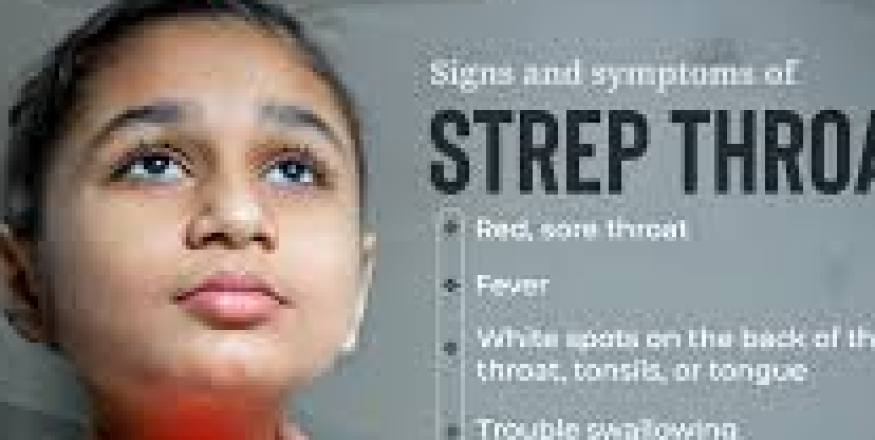
A sore throat is common in children, especially during school seasons, but not every sore throat is the same. Some are caused by simple viral infections, while others point to a bacterial issue that needs medical attention. This guide explains Strep Throat Symptoms in Kids, how to recognize them early, and what parents should know to protect their child’s health.
Understanding the warning signs, treatment options, and prevention steps can make a real difference in recovery and comfort. Below, you’ll find a complete, easy-to-follow breakdown designed for parents and caregivers.
What Is Strep Throat in Children?
Strep throat is a bacterial infection caused by group A Streptococcus bacteria. It mainly affects the throat and tonsils and spreads easily among children through coughing, sneezing, or close contact. Unlike viral sore throats, strep throat often appears suddenly and can feel more intense.
Parents should be alert because Strep Throat Symptoms in Kids tend to develop quickly, often within two to five days of exposure. Early diagnosis matters because untreated strep can lead to complications affecting the heart, kidneys, or joints.
Early Warning Signs Parents Should Notice


4
The first signs are often easy to miss, especially in younger children who may not clearly explain how they feel. However, there are common red flags that suggest more than a mild cold.
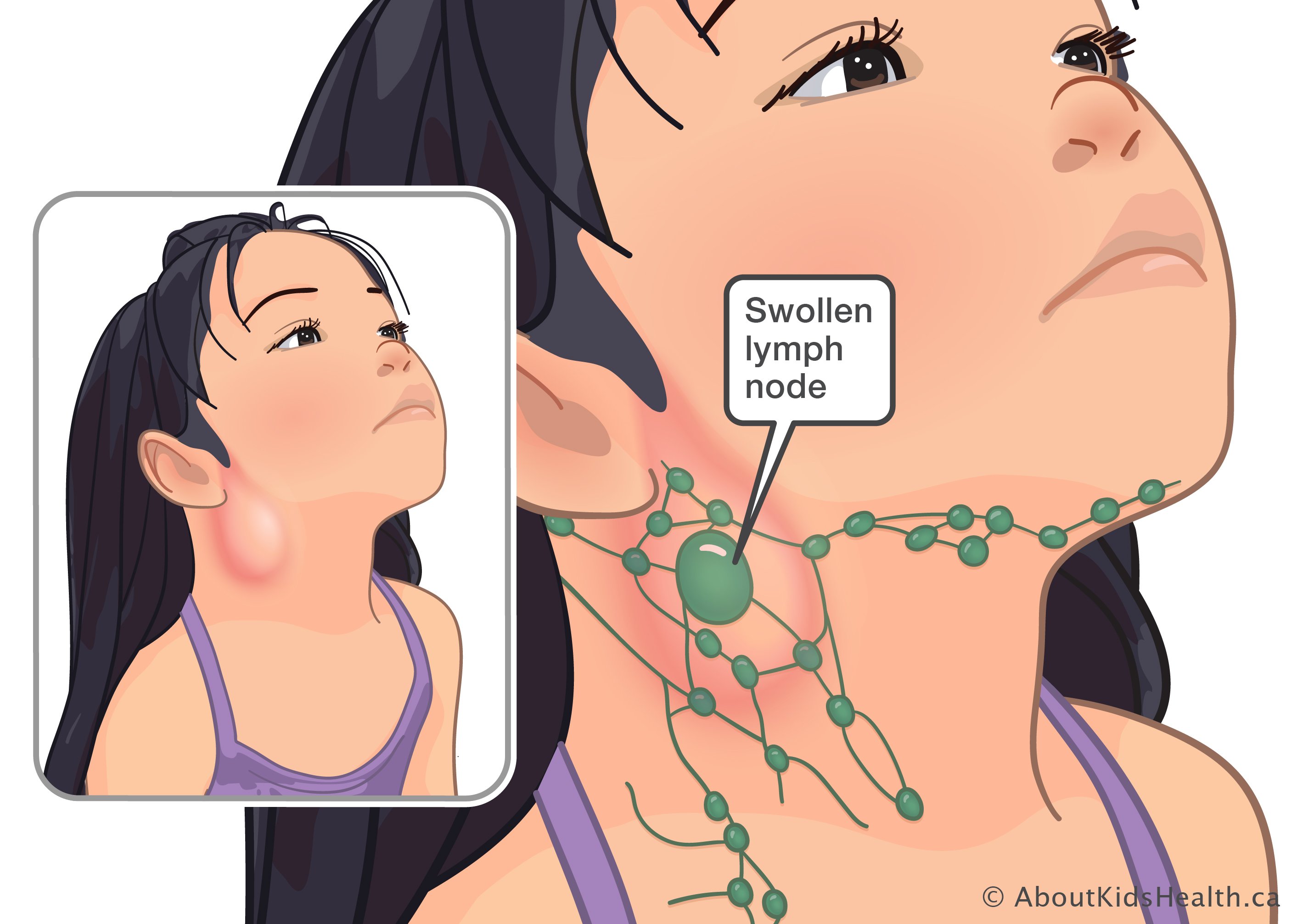
Typical Strep Throat Symptoms in Kids include sudden throat pain, difficulty swallowing, and a fever that rises quickly. Many children also complain of headaches or stomach pain. In some cases, swollen lymph nodes appear on the neck, making it tender to touch.
At this stage, parents should closely monitor symptoms and avoid assuming it will pass on its own.
How Strep Throat Symptoms in Kids Differ From a Common Cold
One of the biggest challenges for parents is telling the difference between strep throat and a viral sore throat. Colds usually come with coughing, runny noses, and sneezing. Strep throat rarely does.
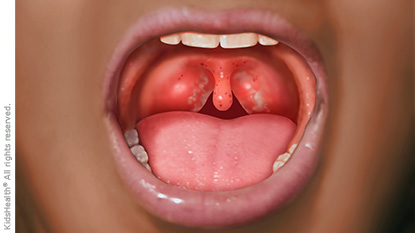
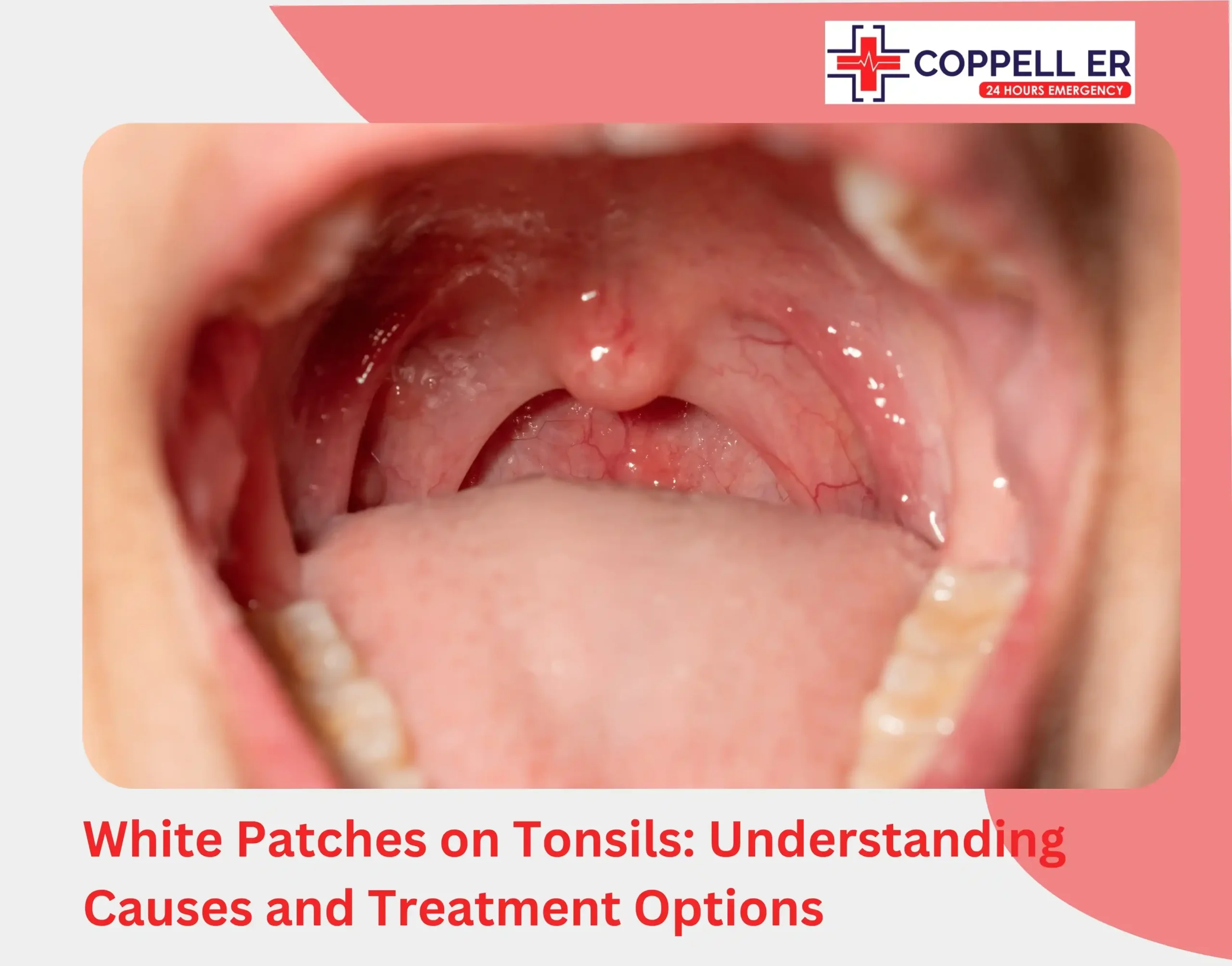
Strep Throat Symptoms in Kids are more focused on the throat and body discomfort. A child may have white patches or streaks of pus on the tonsils, red spots on the roof of the mouth, and a persistent fever. Coughing is usually absent, which is a key difference parents should note.
Maintaining awareness supports Health and Wellness by helping families avoid delayed treatment and unnecessary discomfort.
Physical Signs Doctors Look For During Diagnosis

4
When you visit a healthcare provider, they will look for visible and physical indicators. Doctors often check the throat for redness, swelling, and white patches. They also gently feel the neck to see if lymph nodes are enlarged.
Clear Strep Throat Symptoms in Kids help doctors decide whether a rapid strep test or throat culture is needed. These tests confirm the presence of bacteria and help rule out viral infections, ensuring the right treatment plan.
Possible Complications if Strep Is Left Untreated
Ignoring or delaying treatment can lead to serious problems. While some sore throats heal naturally, strep throat does not. Untreated infections can spread and trigger complications.
Common risks linked to ongoing Strep Throat Symptoms in Kids include ear infections, sinus infections, and abscesses around the tonsils. In rare cases, children may develop rheumatic fever or kidney inflammation, which can have long-term effects.
Prompt treatment greatly reduces these risks and shortens recovery time.
Treatment Options and What Parents Should Expect
Once diagnosed, strep throat is usually treated with antibiotics. These medications help kill the bacteria, reduce symptoms, and prevent complications. Most children start to feel better within 24 to 48 hours after starting treatment.
During recovery, Strep Throat Symptoms in Kids such as fever and throat pain should gradually fade. Parents should ensure the full course of antibiotics is completed, even if the child feels better early. This prevents recurrence and antibiotic resistance.
Supportive care like warm fluids, rest, and soft foods also helps ease discomfort.
Home Care Tips to Ease Discomfort
While antibiotics treat the infection, home care supports comfort and healing. Parents can offer soothing foods such as soups, yogurt, and mashed fruits. Warm saltwater gargles can help older children reduce throat pain.
Managing Strep Throat Symptoms in Kids also means keeping the child hydrated and ensuring they get enough rest. Fever reducers may be used if recommended by a healthcare provider, but aspirin should never be given to children.
Simple comfort measures can significantly improve daily wellbeing during recovery.
Preventing Strep Throat and Protecting Other Children
Strep throat spreads easily in schools and homes, so prevention is essential. Teach children to wash their hands regularly, especially after coughing or sneezing. Avoid sharing utensils, cups, or towels.
Children with active Strep Throat Symptoms in Kids should stay home from school until they have been on antibiotics for at least 24 hours and no longer have a fever. This protects classmates and family members from infection.
Replacing toothbrushes after recovery and cleaning commonly touched surfaces can also reduce the risk of reinfection.
Final Thoughts
A sore throat in children may seem minor, but knowing when it signals strep throat is critical. Recognizing Strep Throat Symptoms in Kids early allows parents to act quickly, seek medical care, and prevent complications. With timely treatment, proper home care, and good hygiene habits, most children recover fully and return to their normal routines without issue.
0 sponsors' commentsAfter each update request, the author will receive a notification!
smartphone100 → Request update

 and then Add to home screen.